ARROWHEADS FROM THE SHAFT GRAVES OF MYCENAE: THE EMERGENCE OF A MYCENAEAN WEAPON
ODYSSEAS BOITTE
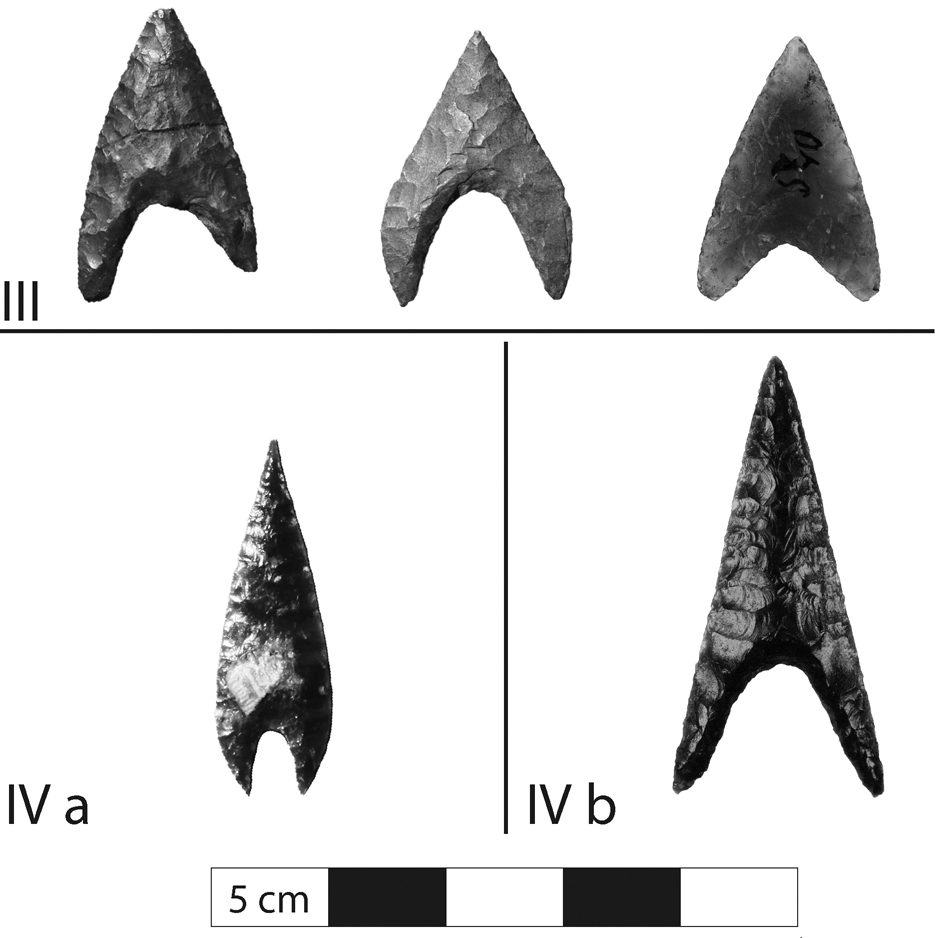
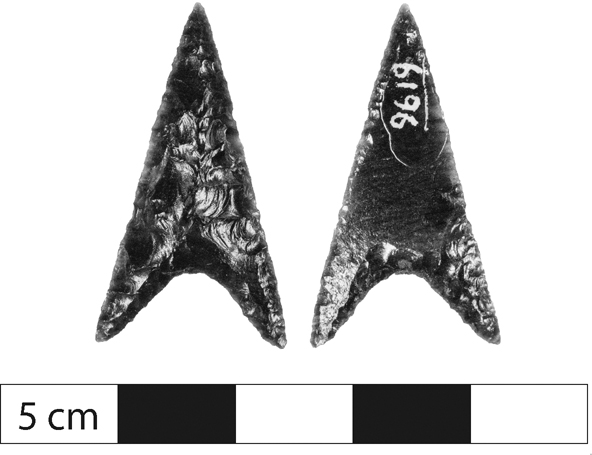
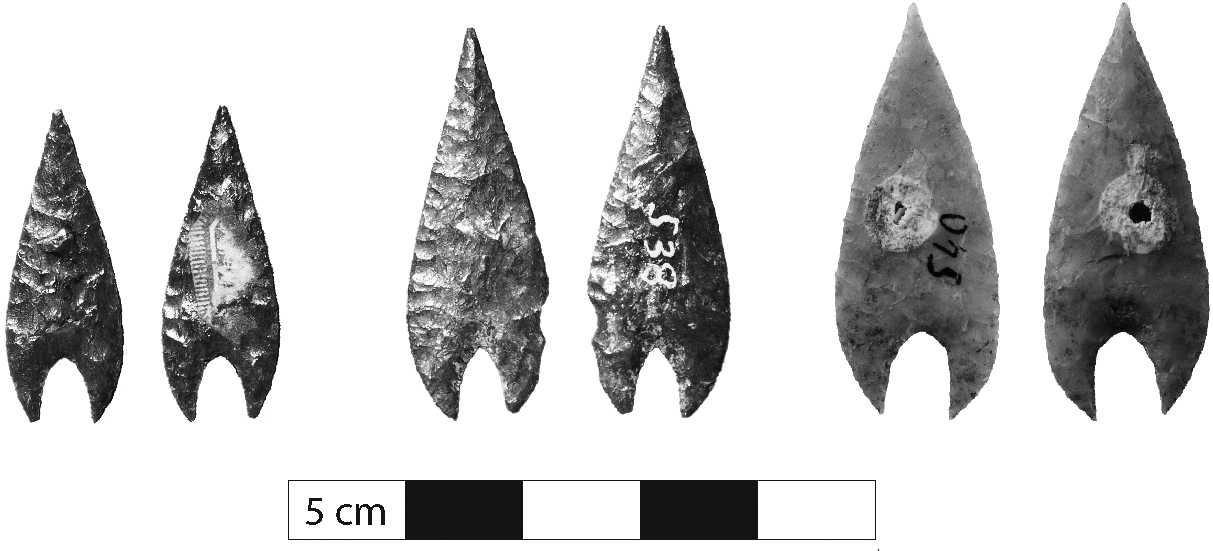
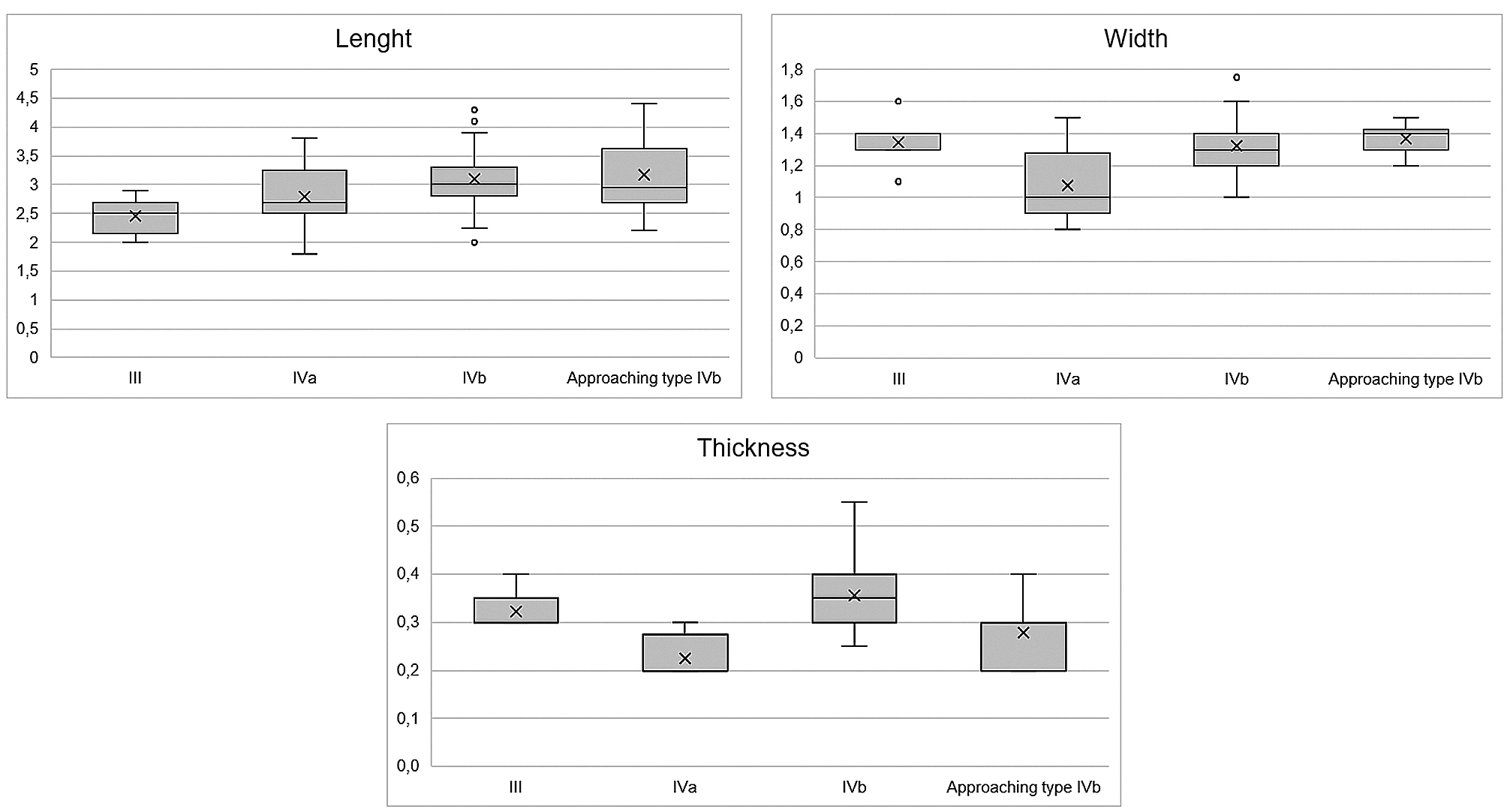
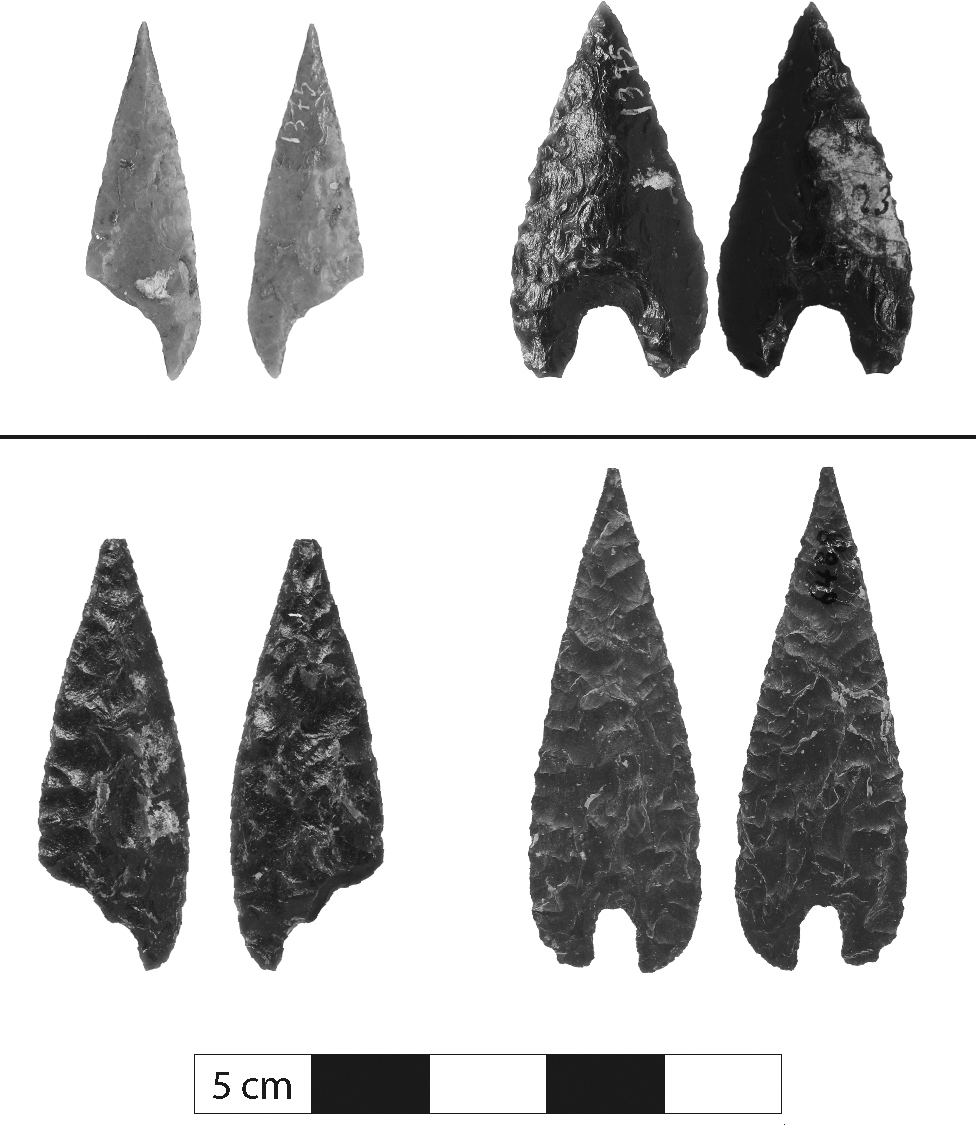
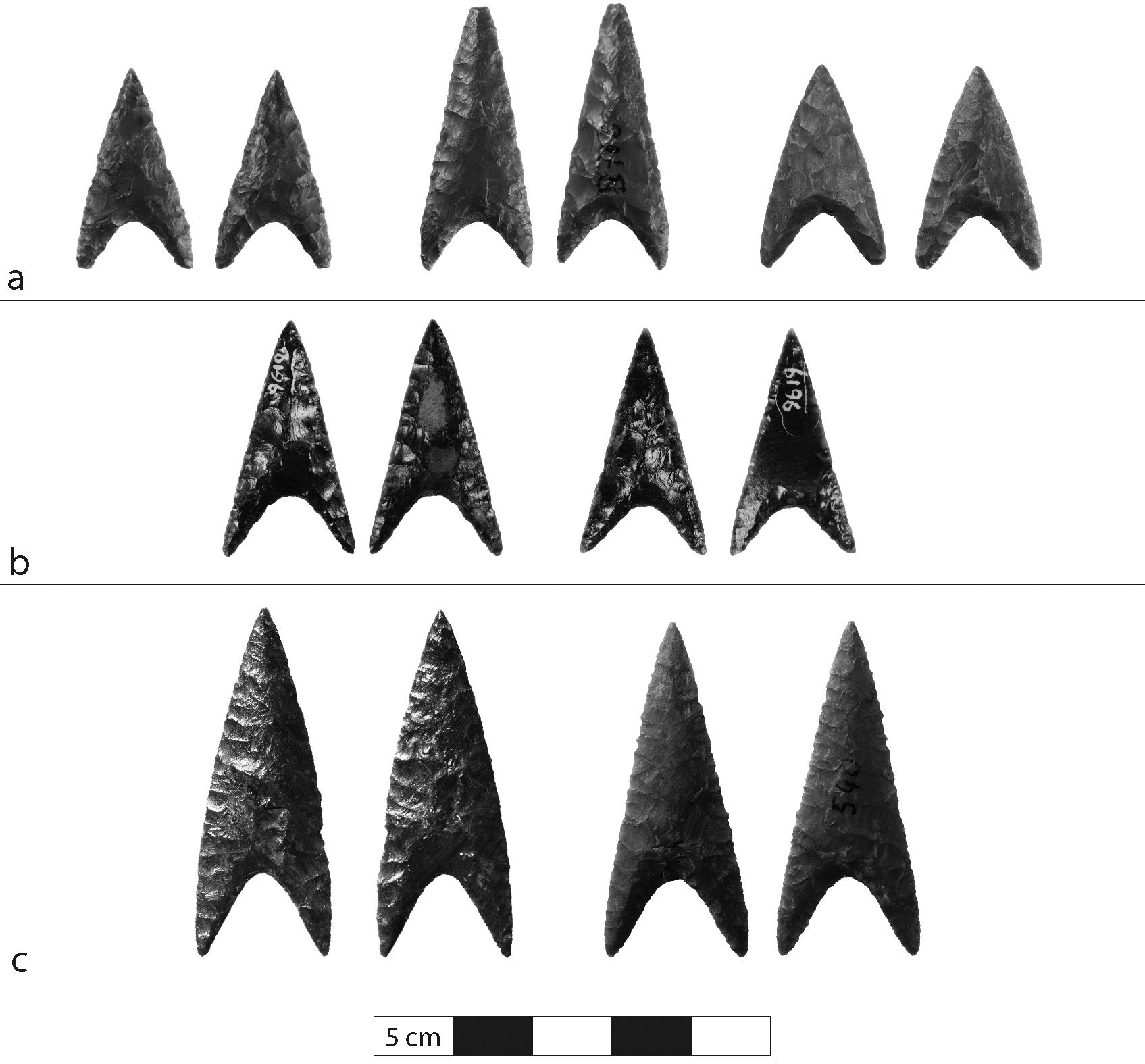
At Mycenae, burials within the shaft graves from the period between MH III and LH I-II reveal the emergence of an elite at the site. This ostentatious display of wealth is evident in the substantial funerary deposits, which have been the subject of numerous studies. However, stone arrowheads, which were fashioned by highly skilled artisans and buried with the deceased, have received comparatively little scholarly attention. Focusing on the Argolid and Aegina, this study presents the various contexts in which arrowheads were discovered during the Middle Helladic period and the subsequent transitional phase. The increase in arrowhead deposits, which coincides with a broader rise in the deposition of weapons, demonstrates the integration of archery equipment into the arsenal of the Mycenaean hunter-warrior. The stone arrowheads recovered from three shaft graves (Delta, Lambda and IV) demonstrate both the persistence of a stone-knapping tradition rooted in continental practices, and the incorporation and adaptation of this know-how within Mycenaean culture. Examining the morphology, volumetry and, above all, the manufacturing processes of these arrowheads makes it possible to define the criteria that establish them as markers of Mycenaean culture.
Boitte O., Arrowheads from the Shaft Graves of Mycenae: The Emergence of a Mycenaean Weapon, SMEA NS 11, 2025, 7-20.